Why Shatter with High THC Stands Out in the Concentrate World
Concentrates have changed how many of us approach cannabis. If you started with flower and moved toward stronger, cleaner effects, you have likely encountered shatter. Among the various types of cannabis concentrates, shatter with high THC offers a distinct balance of potency, flavor, and texture that more processed forms sometimes lack. This piece walks through the practical differences, the extraction methods that matter, and what to look for when you shop.
What Makes Shatter Different from Other Concentrates
Shatter sits in a curious middle ground. It is less waxy than budder or typical wax, more stable than live resin at room temperature, and easier to handle than runny extracts. At its best, shatter looks like thin, amber glass that fractures cleanly when you break off a dose. That glassy state is not just cosmetic. It signals that the extract has been purged of residual solvents and left with a high concentration of cannabinoids, often pushing well over 70 percent THC.
When you find a shatter with high THC, you are getting a product that delivers a fast, full-body effect without requiring huge amounts. A single dab the size of a grain of rice can be enough for experienced users. That efficiency is one reason seasoned consumers keep coming back to it.
Extraction Methods: Solventless vs. Hydrocarbon
The way shatter is made matters a lot for both safety and flavor. There are two dominant routes: solventless extraction and hydrocarbon extraction.
Solventless extraction uses only mechanical separation, usually heat and pressure, to squeeze the resin from the plant material. The resulting concentrate is free of chemical residues and tends to preserve a fuller spectrum of cannabinoids and terpenes. For purists, this is the gold standard. The trade-off is that solventless methods often yield less product per pound of input, so the final price is higher.
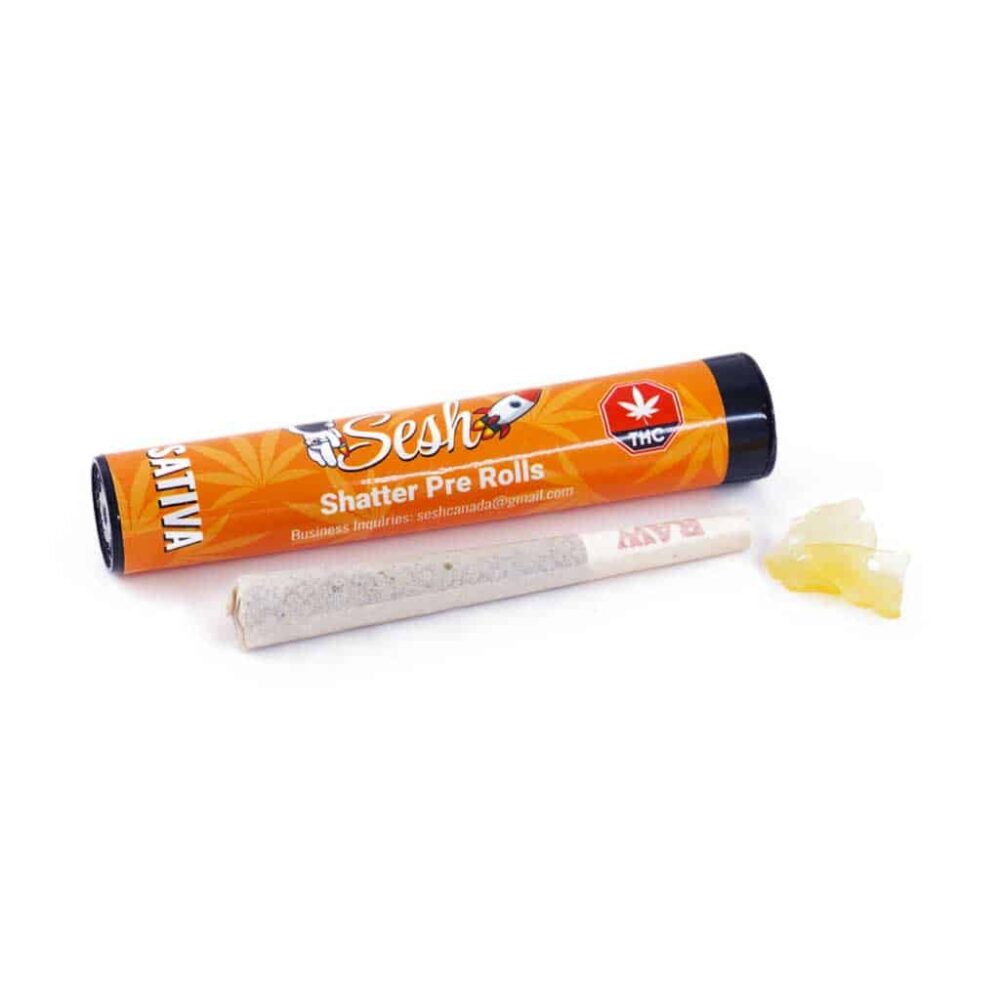
Hydrocarbon extraction, often using butane or propane as solvents, pulls more of the cannabinoids out of the plant. This method can produce a shatter with high THC at a lower cost. The key variable is how thoroughly the solvent is removed afterward. Reputable producers use vacuum ovens to purge any remaining hydrocarbons, leaving a clean final product. Lower-quality BHO (butane hash oil) can retain solvent traces, which may affect flavor and safety. If you are buying shatter, it pays to ask about the purge process.
Terpenes and the Flavor Profile
Terpenes are the aromatic compounds that give each strain its character. In shatter, the terpene profile depends heavily on the starting material and the extraction temperature. Live resin, for example, is made from freshly frozen plant material and tends to capture the most volatile terpenes, delivering intense flavor. Shatter, because it is often made from dried or cured material, can have a more muted but still distinct profile. That said, a well-made shatter with high THC can still carry bright notes of citrus, pine, or earth, depending on the strain.
Budder and wax, which are whipped during processing to incorporate air, can lose some terpenes through oxidation. Shatter is not whipped, so it retains more of its original chemical makeup. That stability means the flavor you get on the first dab is closer to what the plant produced.
How to Use Shatter: Equipment and Technique
Dabbing is the most common way to consume shatter. You will need a rig, which is a water pipe designed for concentrates. Heating the nail, often called a banger, can be done with a torch or an enail. The enail gives you precise temperature control, which is helpful because shatter with high THC can degrade if overheated. A good target range is 500 to 600 degrees Fahrenheit. Lower temperatures preserve more terpenes and produce a smoother vapor, while higher temperatures give bigger clouds but can sacrifice flavor.
If you are new to concentrates, start with a tiny dab. Wait thirty seconds after loading it to gauge the effect before taking another. The potency can surprise you, especially if you are used to smoking cannabis flower.
Comparing Shatter to Budder and Live Resin
Each concentrate type has its strengths. Budder is softer, often creamier, and easier to spread onto a dab tool. It can be more forgiving for beginners because it does not shatter into fragments. Live resin, on the other hand, is prized for its intense terpene profile and is usually made from flash-frozen plants. It tends to be stickier and more aromatic than shatter.
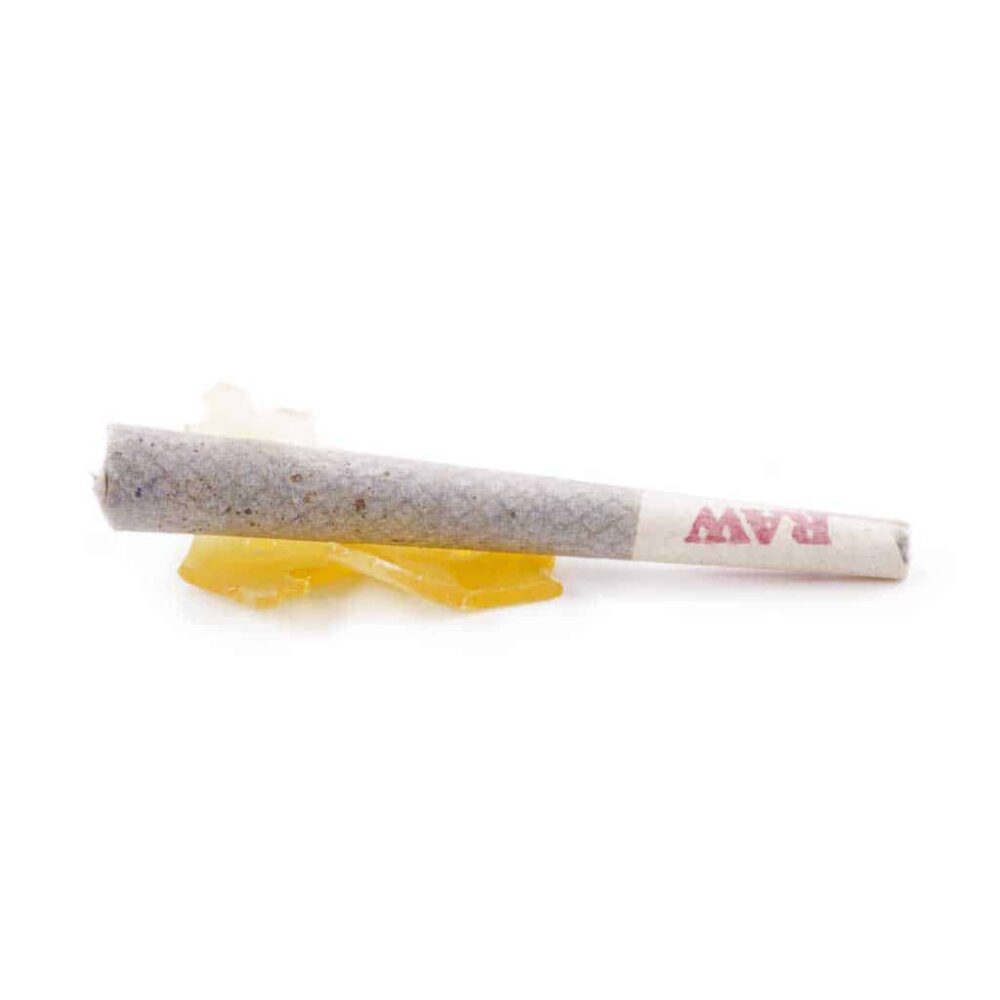
Shatter sits in the middle: harder than budder, more stable than live resin at room temperature, and often higher in THC percentage because of the way it is processed. If you want a clean, potent dose that is easy to handle and store, shatter with high THC is a strong choice.
Storage and Shelf Life
Proper storage keeps shatter stable. Keep it in an airtight glass container away from light and heat. Exposure to air can cause the cannabinoids to oxidize, turning the shatter darker and less potent over time. A cool, dark drawer or a refrigerator works well. Do not freeze it, as condensation can introduce moisture. Stored correctly, shatter can remain potent for several months, though the terpenes will slowly degrade.
Budder and wax, because they have more surface area exposed to air, tend to degrade faster. Live resin also has a shorter shelf life due to its higher moisture content. Shatter's glassy structure gives it an edge in longevity.
What to Look for When Buying
When shopping for shatter, clarity and color are good indicators. High-quality shatter should be translucent, ranging from pale gold to deep amber. Cloudiness or a waxy appearance can mean it was whipped or improperly purged. The texture should be brittle: when you press on it, it should fracture cleanly rather than smear. A shatter that is too sticky may have residual solvent or too much moisture.
Ask the seller for lab results if they are available. A certificate of analysis will show the THC percentage and confirm that there are no harmful residuals. Reputable stores, including online shops like KushStation, often publish these results. Transparency is a sign that the producer stands behind the product.
The Role of Cannabinoids Beyond THC
While THC is the primary psychoactive cannabinoid, shatter also contains other cannabinoids like CBD, CBG, and CBN. These compounds can modulate the effects, adding depth to the experience. A shatter with high THC will still deliver a strong psychoactive punch, but the presence of secondary cannabinoids can influence whether the effect feels more energetic, sedating, or balanced. Full-spectrum extracts, which preserve a wider range of cannabinoids, tend to produce a more nuanced high than isolates.

Mushroom products and edibles are separate categories entirely, but for those who want immediate effects without digestion, concentrates like shatter remain the fastest route. Dabbing bypasses the liver and enters the bloodstream through the lungs, giving nearly instant feedback.
Final Thoughts on Choosing Shatter
Shatter is not the trendiest concentrate right now. Live resin gets more hype for flavor, and budder is easier to work with. But for raw potency, stability, and value, a well-made shatter with high THC is hard to beat. It delivers a clean, powerful experience that respects both the plant and the consumer. If you have not tried it in a while, or if your only exposure was low-grade BHO from years ago, it is worth giving shatter another look. The quality has improved significantly, and the best producers are putting out product that stands next to anything in the concentrate category.